

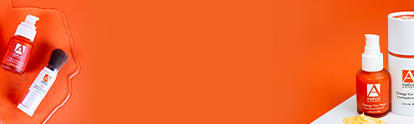
Browse Skincare Products by The A Method
All the essentials for every skincare routine.
Best Eye Cream for Your Under-Eye Concerns
The best eye cream isn't the strongest one, it's the one matched to your main concern and used daily. Whether you're focused on the look of dark circles, puffiness, or fine lines, start there and the choice gets simpler. Every formula below is dermatologist-developed by Dr. Tina Alster, dermatologist-tested, and gentle enough for delicate skin. Find your concern below, then read on for how to choose and apply.
How do you choose the best eye cream for your concern?
Start with what bothers you most. Different under-eye concerns respond to different ingredients, so the best eye cream for you depends on your goal. Here's how to match a formula to what you're actually seeing in the mirror.
For the look of dark circles
Dark circles have more than one cause, so the best eye cream for dark circles depends on what you're seeing. Genetics and aging are two common reasons they show up in the first place. Bluish, shadowy tones often come from visible blood vessels showing through thinning skin under eyes and can look blue or purple, especially when the area is dry, so hydration and gentle brighteners tend to help most.
Caffeine, vitamin C, and niacinamide are commonly used to support a brighter, more even-looking under-eye area, and caffeine can temporarily constrict blood vessels to reduce the look of dark circles. Retinoids can help thicken skin over time and may also soften the look of dark circles. None of them erase anything, but with consistent use many people find the area looks more refreshed. Our guide to ingredients to look for in eye cream breaks down each one.
For the appearance of puffiness
If morning puffiness is your main concern, the best eye cream for puffiness usually leans on caffeine and a light, cooling texture. Puffiness often comes from fluid settling overnight, though genetics and weight changes can play a role too, so a gel used in the morning can help the area look less swollen and more awake. A formula with caffeine can temporarily depuff skin around the eyes, and green tea extract is also used for temporary puffiness support. Keeping your eye product somewhere cool can add to that refreshing feel. A cooling metal applicator can also help reduce swelling under the eyes.
For some people, eye creams may be especially helpful when puffiness looks more noticeable after salty meals. This is about appearance and comfort, not a permanent change, so consistency matters more than any single application. Ingredients such as acetyl tetrapeptide-5 are also used to target fluid buildup under the eyes. Our guide on eye cream for dark circles and puffiness goes deeper on matching a formula to the cause.
For the look of fine lines and wrinkles
When fine lines are your focus, look for peptides paired with steady hydration. A peptide eye cream supports collagen production in skin care for a smoother-, firmer-looking under-eye area and can help soften expression lines, which is why peptides come up so often for anyone searching for the best eye cream for wrinkles.
Retinoids are widely considered the gold standard for reducing wrinkles. Hydration helps too, since well-moisturized skin makes fine lines look softer straight away. Some people notice the first signs of wrinkle-softening after about three weeks, while fuller results still build gradually with daily use, so think in weeks rather than days. Our guide to eye cream for fine lines and puffiness covers what to expect.
For a dry, tired-looking under-eye area
Sometimes the area just looks dry, dull, or tired, and the answer is hydration rather than a strong active. Hyaluronic acid and ceramides can help with hydration and make fine lines look softer, especially for dry skin. Ceramides help repair the skin barrier to lock in moisture. Glycerin is also a common ingredient in hydrating eye creams.
Niacinamide also has humectant properties that support hydration, and a lightweight formula used morning and night keeps the area comfortable. Vitamin E helps maintain hydration around the eyes. Pair it with better sleep and daily sunscreen, both of which do more for a rested look than any single product can.
Which ingredients actually do what around the eyes?
Most eye creams rely on a short list of well-studied active ingredients commonly used around the eyes, and knowing what each one is for makes it easier to choose. Caffeine helps temporarily depuff and supports a less puffy look, while also helping dark circles appear less noticeable. Peptides, which are short chains of amino acids, support a smoother-, firmer-looking surface over time and can help support collagen production and skin elasticity.
Vitamin C is an antioxidant that helps the under-eye area look brighter and more even. Antioxidants also help defend against free radical damage. Niacinamide supports a more even-looking tone, helps support hydration, and promotes a smoother-looking skin texture with a comfortable, conditioned feel. Hyaluronic acid hydrates for a plumper, smoother-looking finish.
Many formulas are made for different skin types, including sensitive skin, and are often fragrance-free to avoid ingredients that may irritate sensitive skin. Many eye formulas combine several of these, so you rarely have to choose just one.
Eye cream or eye serum: which is right for you?
When an eye cream makes sense
Eye creams are usually richer and more cushioning, giving a hydrating eye cream feel that suits drier skin or a nighttime step. If your under-eye area often feels tight or looks dry, a cream texture tends to feel more comfortable and stays put overnight. Many creams also use ingredients like shea butter for extra comfort around the delicate eye area.
When an eye serum makes sense
Serums are lighter and absorb quickly, so they layer well under other products with less chance of sticky residue and suit oilier skin or a morning routine. If you like a weightless finish under makeup, your under eye cream or serum choice for morning use is usually a thin, fast-absorbing formula that can support a more refreshed appearance without pilling.
Peptide eye cream for firmer-looking skin
Peptides are a favorite for the look of fine lines and are often chosen to smooth fine lines, soften fine lines, and improve the look of crows feet, so a peptide eye cream is a common pick when firm skin is the goal. In this collection, the Collagen Boost Peptide Eye Cream pairs peptides with hydrating and antioxidant ingredients in an advanced eye formula designed for early signs of aging and other visible signs around the eye area, and it's dermatologist-tested.
For the full picture of how peptides behave around the eyes, read our guide to peptide eye cream.
How do you apply eye cream so it actually works?
Application matters as much as the formula. Use only a rice-grain amount and tap it gently along the orbital bone with your ring finger. Dermatologists suggest the ring finger because it's the weakest, so it won't tug this delicate skin, guidance echoed by the American Academy of Dermatology. Apply after cleansing and before moisturizer, morning and night, and stay clear of the lash line so product doesn't migrate into the eye. Give any eye product six to twelve weeks of daily use before you judge it, since this area changes slowly. For where eye cream fits around your other steps, see our guide on when to apply eye cream in your routine.
How long until you see results?
Most eye creams take about six to twelve weeks of daily use to show a visible difference, because the skin around your eyes renews slowly. Hydration-related changes, like a plumper, less crepey look, can show sooner, while smoother-looking fine lines take longer to appear. Consistency does more than any single ingredient, so the formula you'll actually reach for every day beats the one that sits in a drawer.
Ready to start? Pick the eye formula that matches your top concern from the collection above, and give it a consistent six to twelve weeks.
-
Collagen Boost Peptide Eye Cream
Peptide Eye Cream
Regular price $78.00 USDRegular priceUnit price / per5.0 / 5.0
(4) 4 total reviews
-
Brighten Eyes
Anti-aging Eye Cream
Regular price $64.00 USDRegular priceUnit price / per5.0 / 5.0
(1) 1 total reviews

